All posts

Why You Should Use Your Nicest Things Every Day

I used to save my nicest things for special occasions, until I realized that using them every day was the whole point.
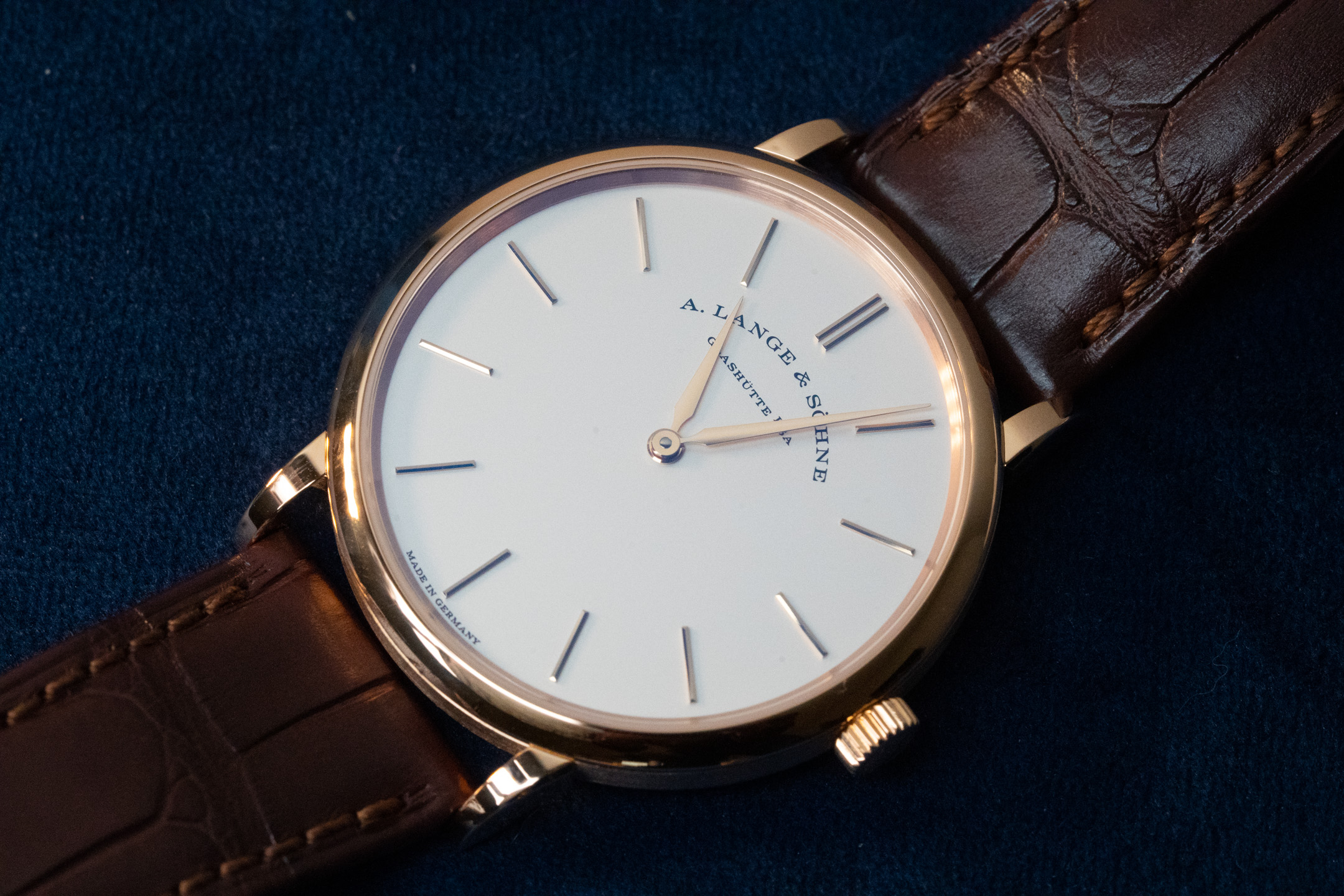
My A. Lange & Söhne Saxonia Thin (Ref. 201.033) that I wear most days

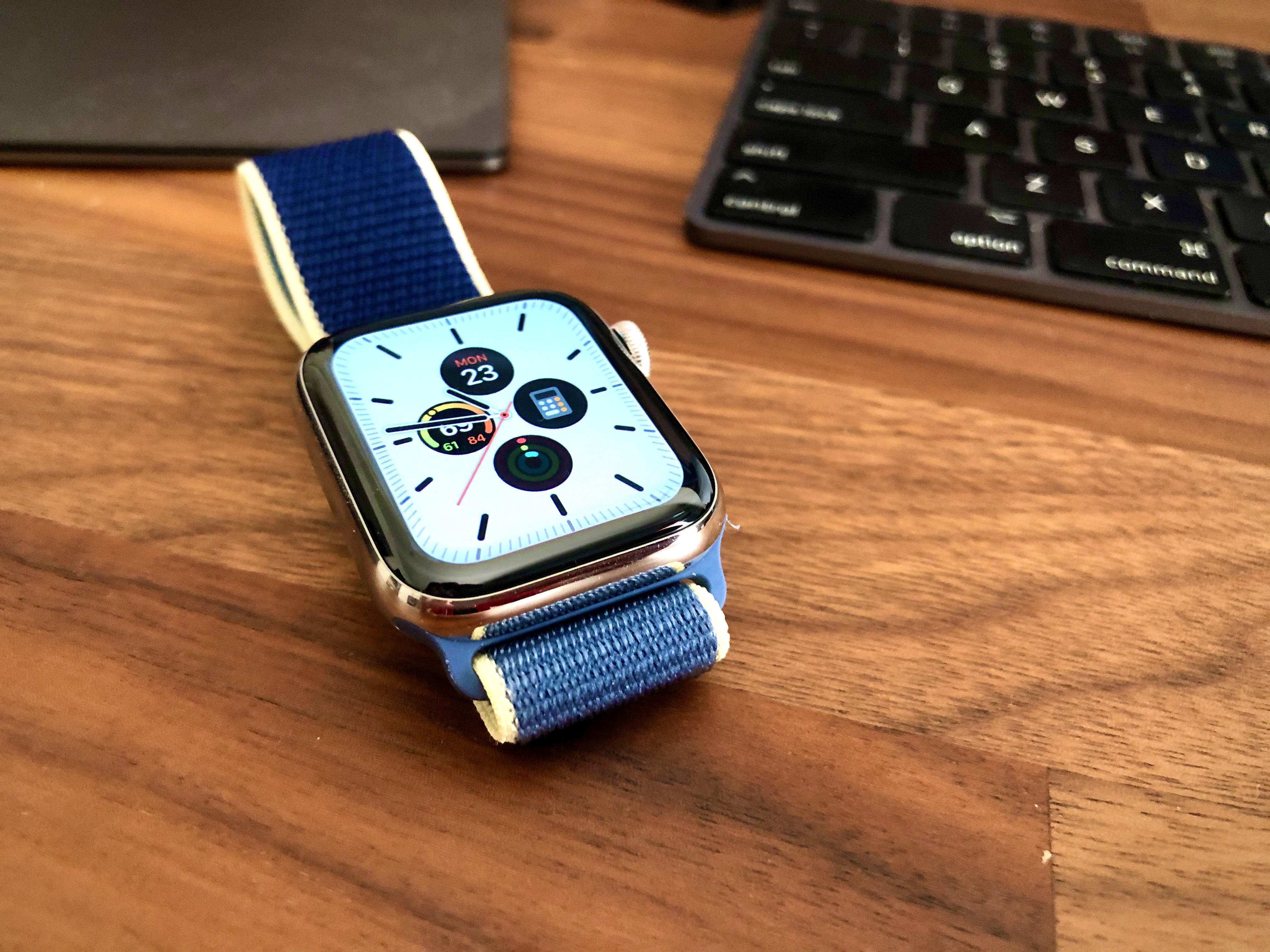
For a long time, I treated my nicest things like they were fragile. My mechanical watches stayed stored away while I reached for my Apple Watch every day. It felt practical, even sensible. Notifications, fitness tracking, convenience. The watches I truly liked came out only on certain occasions, as if they needed a reason to exist on my wrist.

I did the same with smaller things. I carried an old, worn Bellroy wallet for everyday use and saved my OpenSea Topsider Mini for moments when I was more dressed up. It felt logical at the time, a way to “protect” the nicer item. In reality, I was separating use from enjoyment, turning objects into roles instead of letting them be part of daily life.

There’s a mindset many of us fall into, the idea that some things are simply too nice for everyday use. We save them for dinners, trips, or imagined milestones. Meanwhile, we default to the familiar and convenient, letting the things we actually care about sit untouched. Over time, they stop feeling like companions and start feeling like display pieces.

What changed wasn’t a single moment, but a gradual realization. The items I valued most were designed to be used, not preserved. A watch wants to be worn. A bag wants to be carried. Leather is meant to bend, soften, and age. When I finally started using my nicest things more regularly, something unexpected happened. They didn’t lose their value, but instead gained it.

A watch that picks up light scratches becomes uniquely yours. A wallet that darkens with time tells a story of where it’s been. Even fabric improves when it’s broken in through daily use. Wear doesn’t diminish these things at all, but in fact completes them.

There’s also a practical side to this shift. Using your best items every day forces you to be more intentional. You stop buying duplicates “just in case.” You stop rotating through things that never quite feel quite right. Instead, you build familiarity. You trust what you carry. That trust brings a quiet sense of ease that disposable or secondary options never quite provide.

I used to worry about wasting my nicest things. Now I worry more about wasting time not enjoying them. Nothing stays perfect forever. Materials age. Styles evolve. Life moves forward. Keeping something pristine doesn’t stop that process. It only delays your connection to it.

Still, I don’t mean being careless. Using something well is not the same as abusing it. It means respecting an object enough to let it do what it was designed to do. Well-made things can handle daily life. In many cases, that’s exactly what they were built for.

When you start using your nicest things every day, your relationship with ownership changes. You buy less. You appreciate more. You stop waiting for the right occasion and realize that most days are occasion enough. The marks that appear over time are not flaws. They’re proof that something was chosen, trusted, and lived with.

In the end, the value of an object isn’t locked away in perfect condition. It’s revealed through use. The nicest things you own already deserve a place in your everyday life, not because they are special, but because they were meant to be part of it.
Open as standalone

From Smart to Soulful: How I Fell Back in Love with Watches

What began as a graduation gift evolved into a lifelong fascination with mechanical timepieces—the design, the history, and the quiet satisfaction of wearing a story on the wrist.

If you scroll far enough back on this blog, you’ll find my very first post, an enthusiastic first impression of the Apple Watch Series 5. I was captivated by the Always-On Display, the seamless notifications, and the novelty of having technology strapped to my wrist. In many ways, that smartwatch marked the beginning of my fascination with timepieces. What I didn’t realize back then was that the Apple Watch would eventually lead me back to something older, quieter, and far more personal: mechanical watches.

My first real watch, the one that truly started it all, was the Carl F. Bucherer Manero Autodate. I bought it as a graduation gift to myself after finishing my master’s degree. It felt like a “big boy” watch, refined, elegant, and a signal that I was stepping into a new era of adulthood. Wearing it to the office, I loved the weight of it, the way the hands caught the light, and the understated confidence it projected. It suited my lifestyle perfectly at the time: structured, professional, and forward-looking.

Around that period, I fell back in love with tennis, a game I had left behind during school. Suddenly, my days were not limited to labs or meetings. They were spent running drills, chasing serves, and sweating through long matches. A dress watch, as beautiful as it was, simply did not belong on the court. I needed something that could keep up, something durable, sporty, and versatile.

That need led me to the Tudor Black Bay 58 Blue on a NATO strap. It felt freeing to wear a watch I did not have to baby. The crisp blue dial, the subtle vintage cues, and the comfort of the strap made it an easy companion both on and off the court. It was also my first experience with what many enthusiasts call a “daily driver,” a watch you reach for instinctively because it fits your life rather than demands attention.

I began to understand that watches are not just about function or fashion. They are reflections of where we are in life. The Rolex GMT-Master II ‘Coke’ reminds me of travel and exploration. The A. Lange & Söhne Saxonia Thin taught me restraint and showed me that elegance often lies in simplicity. The Cartier Tank Louis Small Yellow Gold showed me that art and engineering can coexist in something no larger than a matchbook.

I also started to notice the small rituals that made each piece special. The winding of a crown in the morning or the soft click of locking the clasp in. The way a simple strap change can alter the entire personality of a watch. These details slow you down, much like brewing a good cup of coffee, another ritual that has become central to my life.

Even today, I still appreciate the Apple Watch for what it does. It tracks my steps, my sleep, and my workouts. But while the Apple Watch measures time, mechanical watches make me feel it. They do not buzz or demand attention. They simply exist, quietly marking moments that often go unnoticed.

Over time, my collecting philosophy shifted. I stopped chasing specifications or hype and started focusing on meaning. Every piece I own represents a chapter, whether it marks a milestone, a mindset, or a memory. From the rugged charm of the Breitling Superocean to the warmth of the Universal Genève Uni-Compax, each watch connects me to something beyond the dial.

Watches, I have learned, are not just tools or trophies. They are mirrors. They remind us of who we were, who we are, and who we are becoming. And as I wind a watch before heading out the door, I am reminded that time is not just something to be kept. It is something to be cherished.

PS: If you are considering your first mechanical watch, price matters, and it should. Set a budget you are comfortable with and respect it. What you should not worry about is prestige. The right watch is the one that fits your life and feels right on your wrist, not the one that impresses someone else.

Open as standalone

From Bitter to Bliss: My Journey into the World of Coffee

How a one-time coffee skeptic fell head-over-heels for espresso, from pandemic experiments at home to discovering the craft and comfort of the perfect cup.

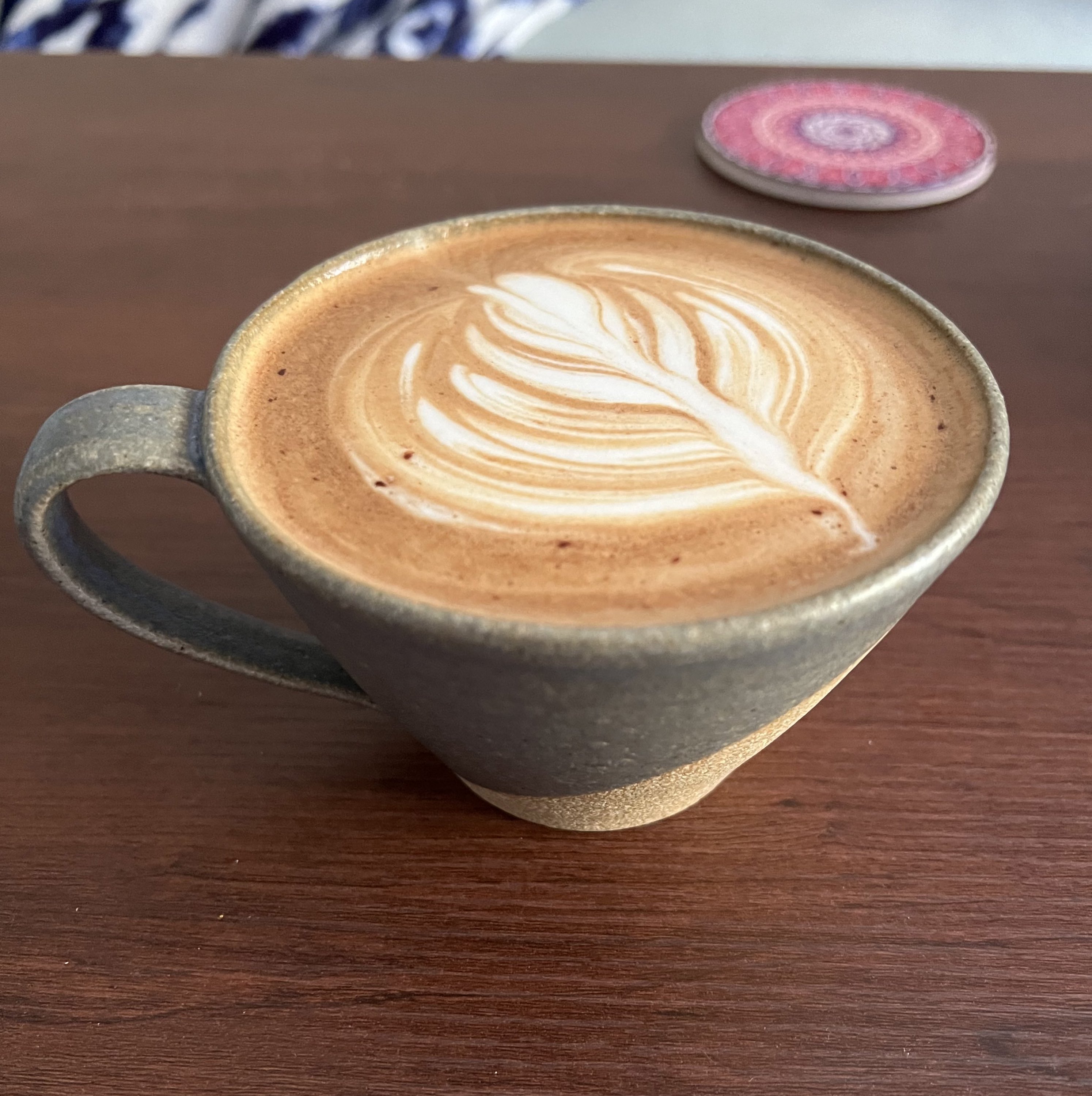
As I sit here sipping on a perfectly brewed cup of coffee, I can’t help but reflect on how far I’ve come in my relationship with this beloved beverage. Rewind a couple of years, and you would have found me scrunching up my face at the mere mention of coffee. Bitter, unappealing, and nothing more than a caffeine jolt to get through the day – that’s how I saw it. Little did I know, my journey into the world of coffee was just beginning.

It all started during my internship at a company where my mentor, though not particularly passionate about coffee, introduced me to Philz Coffee. Philz was a game-changer for me – their unique blends are known for their sweeter profiles, which immediately appealed to my palate. Suddenly, coffee wasn’t just a bitter brew but a flavorful experience waiting to be explored.

Then came the pandemic, and with it, a shift in perspective. My brother, a coffee enthusiast with a much more refined palate, decided to invest in an espresso machine – the Breville Barista Pro. He encouraged me to give it a try, starting with a simple latte to ease my taste buds into the world of coffee. Reluctantly, I agreed, and thus began my daily ritual of espresso-based drinks.

Over the next year, I slowly but surely developed a fondness for coffee. With each cup, I began to appreciate the nuances of flavor and the artistry behind brewing the perfect shot. At first, it was a simple distinction between sweet and bitter, but as I delved deeper into the world of coffee, my palate began to evolve.

I found myself drawn to the complexity of different roasts – from the bold intensity of a dark roast to the nuanced brightness of a light roast. Learning to discern these differences allowed me to explore a wide range of flavors, each cup offering a new sensory experience.

When my brother relocated to NYC in late 2021, I found myself missing our daily coffee rituals. Left to fend for myself, I turned to French Press pourovers and frequent visits to local coffee shops to satisfy my craving for quality brews. It wasn’t long before I decided to take matters into my own hands and invest in a Breville Bambino, a sleek and compact espresso machine perfect for home use.

The Bambino quickly became my trusted companion, allowing me to experiment with different coffee recipes and techniques from the comfort of my own kitchen. But as my skills and appreciation for coffee continued to grow, I knew it was time for an upgrade. Enter the Lelit Mara – a powerhouse of a machine that elevated my home brewing experience to new heights.

Today, I consider myself a fully fledged home barista, passionate about exploring the world of specialty coffee and honing my craft with each pour. While I still enjoy the occasional visit to coffee shops for the ambiance and inspiration, there’s something truly special about being able to brew the perfect cup of coffee in the comfort of my own home.

My journey into the world of coffee has been nothing short of transformative, proving that sometimes all it takes is a single cup to change your perspective – and your palate – forever. So here’s to many more years of discovery, exploration, and of course, great coffee. Cheers!

PS: If you’re ever in the Bay Area and looking to explore some of the best coffee spots around, check out my list of recommended cafes below. Whether you’re a seasoned coffee aficionado or simply seeking a cozy hideaway, these cafes promise an unforgettable experience. Until then, may your mornings be brightened by the delightful aroma of freshly brewed coffee. Enjoy your adventures and sip slowly!

Bay Area Coffee Shops

Open as standalone

Apple Watch Series 5 First Impressions

A look back at my early smartwatch journey—from the Pebble Steel that started it all to my first impressions of the Apple Watch Series 5 and its transformative Always-On display.

Before I begin, I’d like to mention that this is my first blog post, so I’m probably rough around the edges but…we’ll get there. Anyway, here we go. I’ve been an avid smartwatch fan for years. When I first interned at Eligo Energy, my boss happened to be an investor in a company called Pebble Technology Corporation that developed and popularized the first smartwatches (they initially launched on Kickstarter). At the end of my summer, he gifted me a Pebble Steel. It was the very first smartwatch I ever owned, and I was hooked! I no longer had “phantom pocket vibration syndrome” (knew exactly if and when notifications arrived on my phone) and could innocuously check them with a simple raise of a wrist. My high school teachers were totally oblivious.

Fast-forward four years and after many questions about whether the Pebble on my wrist was an Apple Watch, I made the switch to a Series 3. Activity tracking was great. But the real difference was that notifications were more integrated than ever before. I could respond to texts, answer calls, etc on the watch. At this point, Apple Watch was iconic. And with that, there definitely arose that awkward moment when I would be sitting in the front row and just out of curiosity of time, attempt to sneak a peak at the watch only to have the professor glaring at me as if I had just pulled out my phone.

Apple just launched their new Series 5 watch two days ago. Let me just say that the Always-On Display is amazing. With a quick glance, I can glean the time, temperature, etc. I can definitely see it come in handy in meetings and functions that don’t allow for blatantly raising your wrist to look at the time. But other than this, I don’t notice anything extra that the Series 5 does over the Series 3. Sure, there’s the new compass and ECG (which is also a Series 4 features), but I definitely haven’t used them and probably don’t see myself using them anytime soon.

Verdict: I’m loving my Series 5, but if you’ve got the Series 4, you definitely should stick with that. Unless, maybe you work in Sales and you absolutely have to sneak in a glance without your customer noticing. For any watch Series 3 and below, this new one is a nice upgrade!

Open as standalone

Phone

(408) 645-0240

P.O. Box

450 S Abel St #360662
Milpitas, CA 95035
United States of America