Why You Should Use Your Nicest Things Every Day
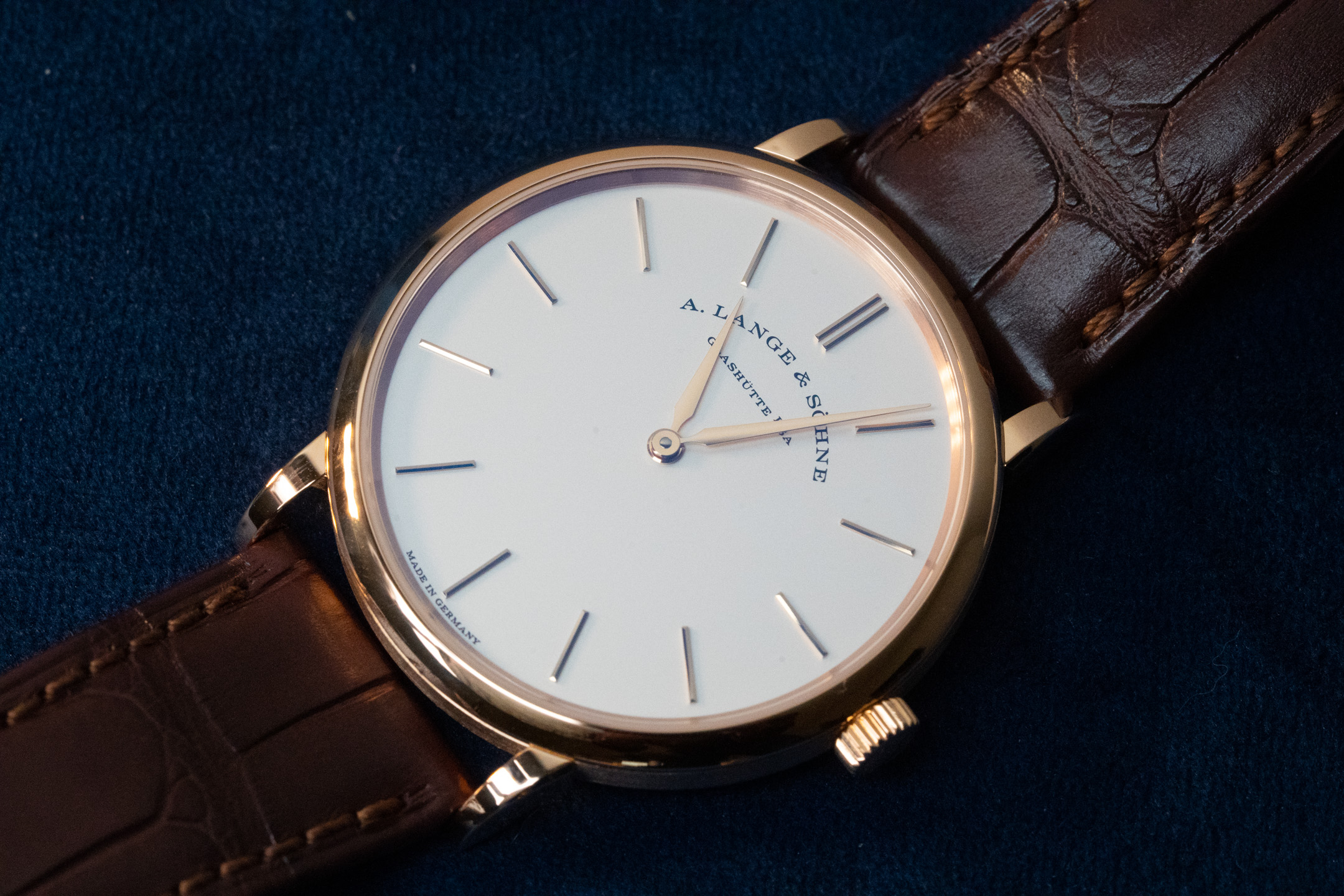
I used to save my nicest things for special occasions, until I realized that using them every day was the whole point.
For a long time, I treated my nicest things like they were fragile. My mechanical watches stayed stored away while I reached for my Apple Watch every day. It felt practical, even sensible. Notifications, fitness tracking, convenience. The watches I truly liked came out only on certain occasions, as if they needed a reason to exist on my wrist.
I did the same with smaller things. I carried an old, worn Bellroy wallet for everyday use and saved my OpenSea Topsider Mini for moments when I was more dressed up. It felt logical at the time, a way to “protect” the nicer item. In reality, I was separating use from enjoyment, turning objects into roles instead of letting them be part of daily life.
There’s a mindset many of us fall into, the idea that some things are simply too nice for everyday use. We save them for dinners, trips, or imagined milestones. Meanwhile, we default to the familiar and convenient, letting the things we actually care about sit untouched. Over time, they stop feeling like companions and start feeling like display pieces.
What changed wasn’t a single moment, but a gradual realization. The items I valued most were designed to be used, not preserved. A watch wants to be worn. A bag wants to be carried. Leather is meant to bend, soften, and age. When I finally started using my nicest things more regularly, something unexpected happened. They didn’t lose their value, but instead gained it.
A watch that picks up light scratches becomes uniquely yours. A wallet that darkens with time tells a story of where it’s been. Even fabric improves when it’s broken in through daily use. Wear doesn’t diminish these things at all, but in fact completes them.
There’s also a practical side to this shift. Using your best items every day forces you to be more intentional. You stop buying duplicates “just in case.” You stop rotating through things that never quite feel quite right. Instead, you build familiarity. You trust what you carry. That trust brings a quiet sense of ease that disposable or secondary options never quite provide.
I used to worry about wasting my nicest things. Now I worry more about wasting time not enjoying them. Nothing stays perfect forever. Materials age. Styles evolve. Life moves forward. Keeping something pristine doesn’t stop that process. It only delays your connection to it.
Still, I don’t mean being careless. Using something well is not the same as abusing it. It means respecting an object enough to let it do what it was designed to do. Well-made things can handle daily life. In many cases, that’s exactly what they were built for.
When you start using your nicest things every day, your relationship with ownership changes. You buy less. You appreciate more. You stop waiting for the right occasion and realize that most days are occasion enough. The marks that appear over time are not flaws. They’re proof that something was chosen, trusted, and lived with.
In the end, the value of an object isn’t locked away in perfect condition. It’s revealed through use. The nicest things you own already deserve a place in your everyday life, not because they are special, but because they were meant to be part of it.